
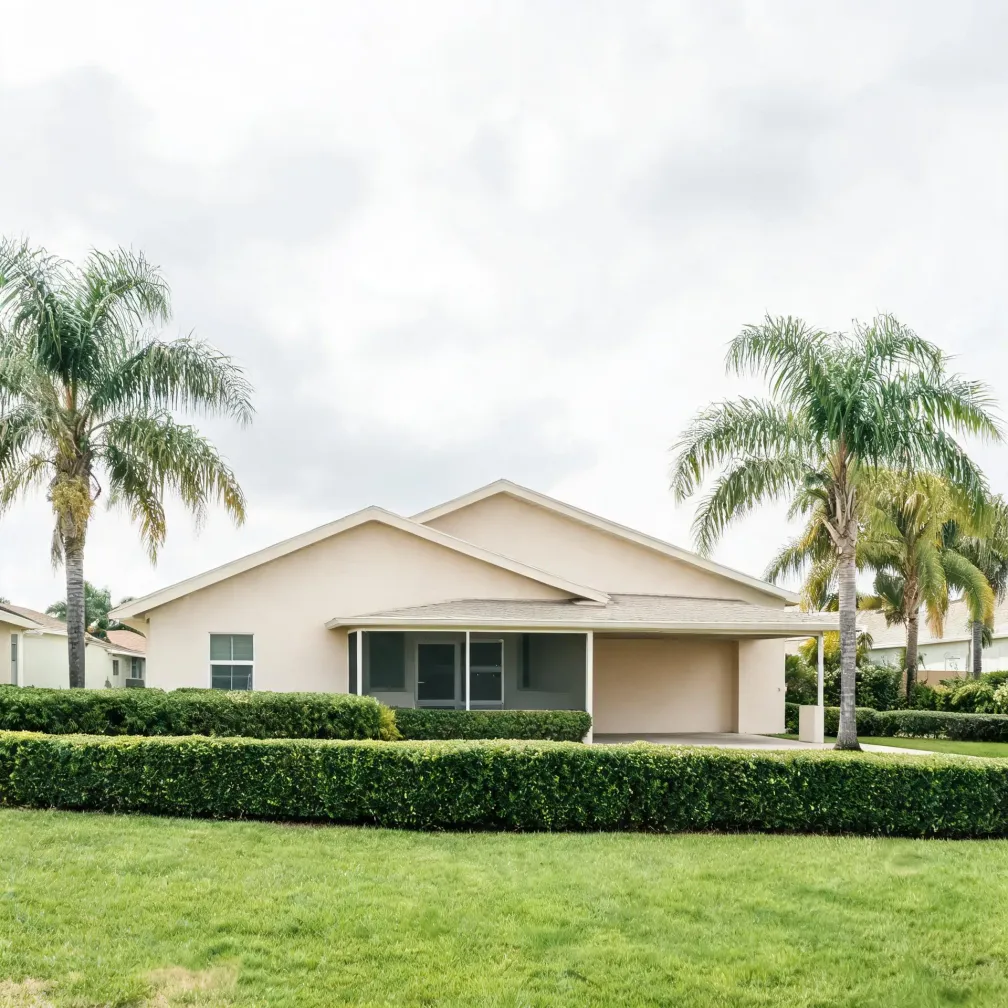
What Hawaii homes are up against.
NOAA National Centers for Environmental Information, Storm Events Database, bulk CSV export, events 2015-01-01 through 2024-12-31. · U.S. Census Bureau, 2020-2024 American Community Survey 5-Year Estimates

A contractor quoting a water heater replacement in Hawaii starts from what the household actually runs on, because the dominant fuel shapes what the new unit is allowed to be and how it gets installed. Electricity heats more occupied homes in Hawaii than any other fuel, at 43.1% (2020-2024 ACS 5-year). That share is wide enough that electric water heaters are the common case here, so the real variables a contractor is solving for are tank size and recovery speed against how much hot water the household draws at peak. A homeowner whose unit is undersized will feel it before they ever think about fuel type.
A quote for a new water heater depends on what is already in place: the panel capacity, the venting path, and how the existing unit was originally fitted. None of those can be read from the street. Half the homes in Hawaii were built in 1980 or earlier (2020-2024 ACS 5-year). A contractor working in a typical Hawaii home has to open the space and measure what is there before committing to a specification, because what the previous installation required and what a replacement requires are often different figures. The electrical service alone can determine which equipment is viable.
How does your county compare on severe weather?
2015–2024 · Source: NOAA National Centers for Environmental Information, Storm Events Database.
A water heater installed somewhere exposed to wind, flooding or salt air is carrying a heavier load than its warranty assumes. A county with a heavier storm record is a place where a tank's mounting, its connections and the space around it matter more, not less. Have a contractor check how the unit is anchored, where it sits, and whether corrosion or water has reached parts it should not.